Where the Casa Blanca Brand Exists in the 2026 Premium Market
Although the spelling “Casa Blanca brand” is often used by web shoppers, it denotes the registered Casablanca fashion brand based in Paris and created by Charaf Tajer in 2018. In the competitive luxury landscape of 2026, Casablanca claims a distinct and more and more important space: new-wave luxury with strong brand narrative, finest materials and a creative fingerprint rooted in tennis, exploration and resort culture. The brand shows collections during Paris Fashion Week, distributes through luxury multi-label boutiques and retailers around the world, and positions its pieces in line with labels like Amiri, Jacquemus, Rhude and Palm Angels. This standing locates Casablanca higher than high-end streetwear but lower than heritage powerhouses like Louis Vuitton or Gucci, granting it space to grow while keeping the design freedom and allure that power its ascent. Knowing where the Casa Blanca brand resides in this structure is vital for customers who aim to spend strategically and recognise the offering behind each investment.
Defining the Primary Audience
The average Casablanca customer is a style-conscious buyer between 22 and 42 years old who holds dear self-expression, adventure and cultural life. Many buyers belong to or close to creative sectors—design, media, music, hospitality—and want clothing that expresses style and personality rather than wealth alone. However, the brand also attracts workers in finance, tech and law who wish to distinguish their weekend wardrobes with something more unique than typical luxury essentials. Women constitute a growing share of the customer base, attracted by the label’s fluid silhouettes, colourful prints and leisure-friendly mood. Market-wise, the biggest markets in 2026 comprise Western Europe, North America, the Middle East, Japan and South Korea, though social media has grown reach worldwide. A notable secondary audience comprises fashion collectors and flippers who follow special drops and vintage pieces, seeing the brand’s capacity for appreciation in value. This casablanca shirts varied but coherent customer makeup affords Casablanca a broad revenue base while keeping the sense of limited access and cultural specificity that captivated its earliest fans.
Casa Blanca Brand Key Audience Profiles
| Group | Demographics | Reason | Favourite Categories |
|---|---|---|---|
| Arts professionals | 25–40 | Self-expression | Silk shirts, knitwear, prints |
| Street-luxe fans | 18–35 | Drops | Hoodies, track sets, caps |
| Resort and travel shoppers | 28–45 | Vacation style | Shorts, shirts, accessories |
| Collectors and flippers | 20–38 | Value growth | Archive prints, collaborations |
| Women customers | 22–42 | Colour | Dresses, skirts, silk pieces |
Price Segment and Value Perception
Casablanca’s retail pricing communicates its position as a modern luxury house that prioritises aesthetics, material quality and limited production over mainstream availability. In 2026, T-shirts generally retail between 200 and 350 dollars, hoodies and sweatshirts between 400 and 700 dollars, silk shirts between 700 and 1 200 dollars, knitwear between 450 and 900 dollars, and outerwear between 800 and 2 000 dollars depending on detail and materials. Accessories like caps, scarves and mini bags sit between 100 to 500 dollars. These price points are roughly comparable to labels like Amiri and Rhude but can be cheaper than some Jacquemus or Off-White pieces at the premium end. What justifies the outlay for many customers is the blend of unique artwork, premium construction and a clear creative identity that makes each piece read as thoughtful rather than generic. Aftermarket values for coveted prints and rare drops can outstrip original retail, which strengthens the reputation of Casablanca as a intelligent buy rather than a losing spend. Customers who calculate cost per wear—thinking about how often they actually wear a piece—typically conclude that a versatile silk shirt or knit from Casablanca gives solid value regardless of its retail price.
Retail Model and Retail Reach
The Casa Blanca brand uses a controlled distribution strategy intended to safeguard cachet and stop saturation. The main own-channel channel is the official website, which features the complete range of present collections, limited drops and periodic sales. A flagship store in Paris serves as both a retail space and a lifestyle centre, and travelling locations appear occasionally in cities like London, New York, Milan and Tokyo during fashion seasons and arts events. On the multi-brand side, Casablanca partners with a handpicked network of premium retailers including SSENSE, Mr Porter, Farfetch, Browns, Dover Street Market and selected department stores such as Selfridges, Neiman Marcus and Isetan. This limited distribution means that the brand is available to committed shoppers without appearing in every off-price outlet or mass-market aggregator. In 2026, Casablanca is said to be expanding its brick-and-mortar reach with ongoing stores in two extra cities and deeper focus in its online experience, featuring digital try-on features and better size recommendations. For customers, this translates to increasing availability without the over-distribution that can diminish luxury perception.
Brand Positioning Compared to Comparable Labels
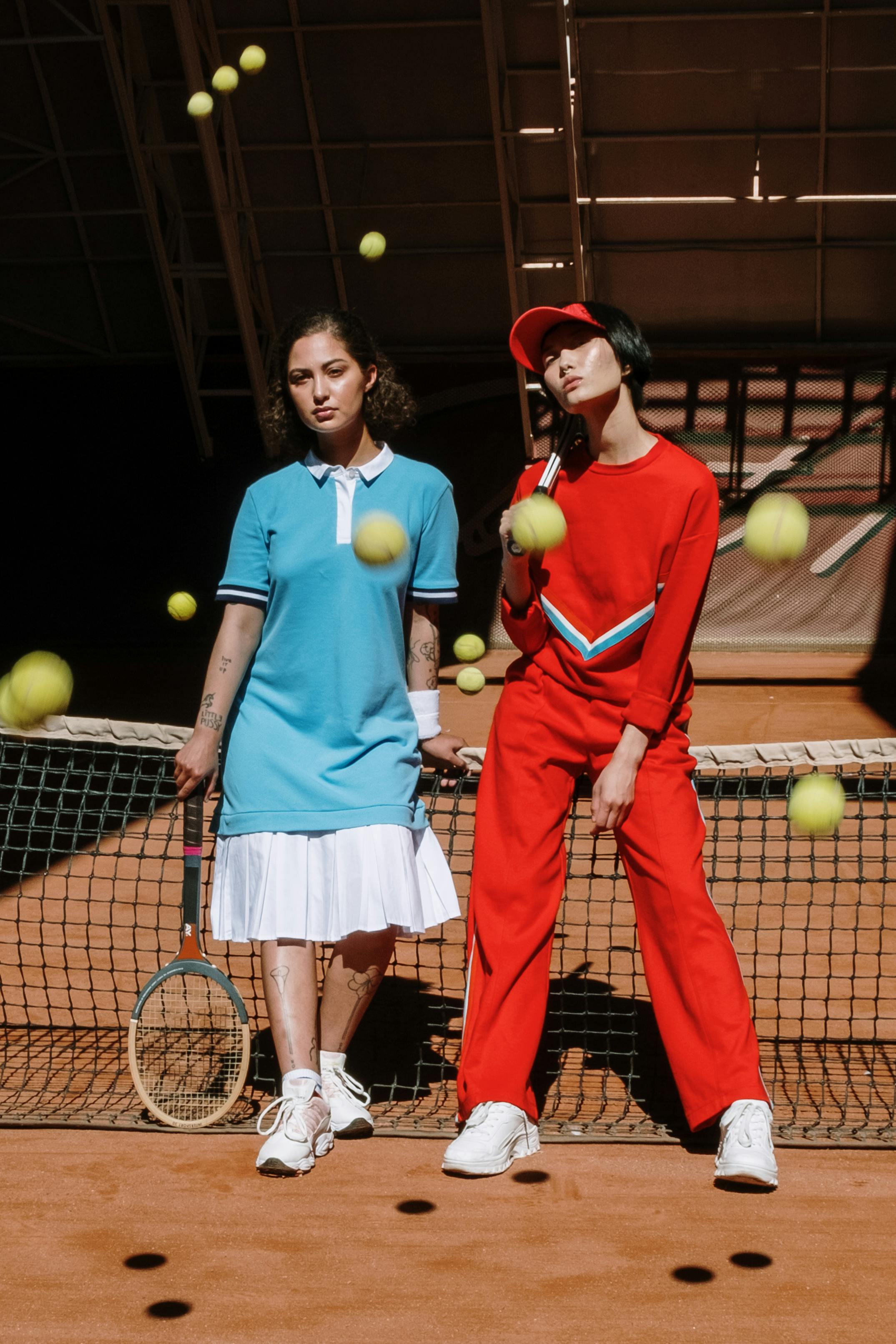
Knowing the Casa Blanca brand’s place requires weighing it with the labels it most frequently sits next to in premium stores and style editorials. Jacquemus shares a comparable French luxury foundation but gravitates more toward pared-back design and earthy palettes, positioning the two brands compatible rather than conflicting. Amiri presents a moodier, music-influenced California aesthetic that resonates with a distinct mood. Rhude and Palm Angels work within the high-end casual space with print-heavy designs that share ground with some of Casablanca’s informal pieces but lack the resort and tennis narrative. What sets Casablanca apart from all of these is its unwavering focus on artistic prints, color saturation and a distinct spirit of delight and leisure. No other label in the current luxury tier has established its full brand story around tennis culture and coastal travel with the same depth and coherence. This distinctive place grants Casablanca a protected DNA that is hard for competitors to imitate, which in turn reinforces enduring market position and pricing power.
The Importance of Collaborations and Limited Editions
Collabs and exclusive releases fill a key role in the Casa Blanca brand’s identity. By collaborating with activewear giants, cultural institutions and lifestyle brands, Casablanca brings itself to fresh audiences while building fan buzz among existing fans. These drops are usually manufactured in low numbers and carry dual-brand prints or unique colour options that are not available in regular collections. In 2026, joint-venture pieces have emerged as some of the most coveted items on the pre-owned market, with select releases going above first retail within a week of dropping. For the brand, this model delivers news attention, funnels traffic to retail and reinforces the perception of exclusivity and demand without diluting the standard collection. For customers, collaborations offer a opportunity to possess rare pieces that exist at the crossroads of two artistic worlds.
Forward-Looking View and Consumer Plan
For shoppers evaluating how the Casa Blanca brand works within their personal style universe in 2026, the label’s standing recommends a few smart strategies. If you seek a wardrobe anchored by rich hues, pattern and travel spirit, Casablanca can work as a chief go-to for hero pieces that define outfits. If your style is more restrained, one or two Casablanca items—a knit, a shirt or an accessory—can add personality into a understated wardrobe without changing your whole closet. Investors and collectors should watch limited prints and partnership releases, which historically keep or beat their retail value on the resale market. Whatever your path, the brand’s focus on craftsmanship, narrative and selective distribution creates a customer journey that feels considered and worthwhile. As the luxury market shifts, labels that provide both emotional resonance and concrete quality are expected to beat those that bank on hype alone. Casablanca’s status in 2026 indicates that it is planning for the long term rather than fleeting hype, positioning it a brand deserving of following and investing in for the years ahead. For the current pricing and range, visit the main Casablanca website or browse selections on Mr Porter.